Menu

I want to make a 💣 logo

10 tips for clients to make it turn out well

In the previous article, I addressed the causes of logo fetishism and criticized empty redesigns and pointless rebrandings. But how should you proceed when you need to change your logo and visual style for sensible reasons? Are you changing your company name? Have conditions changed? Have the logo and style worn out? Let's get to it.

Tip 1: Do not overestimate set reasonable expectations

Generally speaking, a logo is meant to identify. Not to explain, let alone sell. The larger and more diverse the company's scope, the more this applies. You will have plenty of other opportunities in your communication to express the company's vision, its values, the core business, or heaven forbid, product quality.

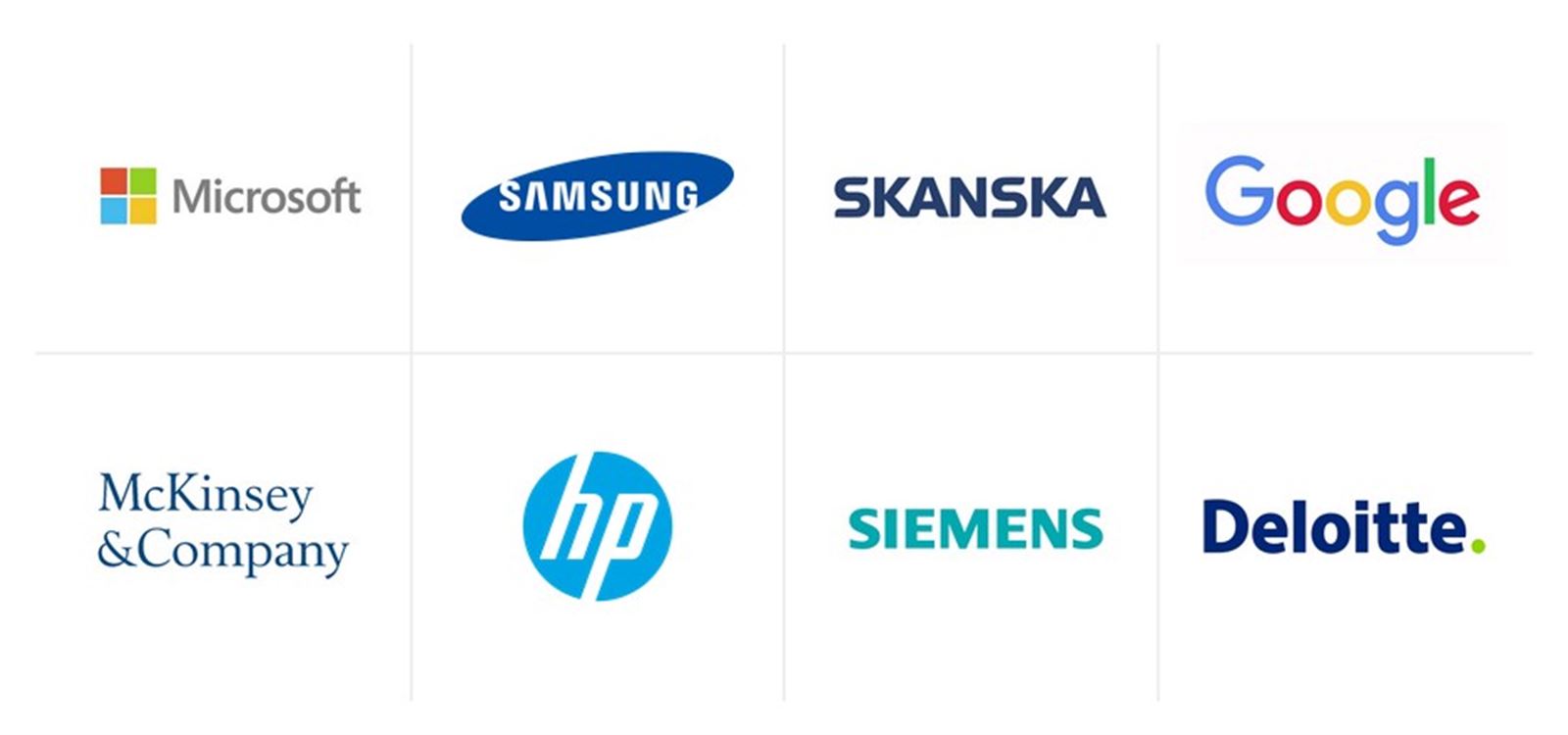
Image: Do these logos carry a deep meaning that the audience realizes every time?

Tip 2: Do not underestimate a logo must not cause harm

A lousy level of logo and visual communication suggests a lousy level of the company. A shortcut exists in people's minds: What looks good — works well. Superficial? Definitely! But that's how it goes. If you repel customers with your appearance, you will hardly get a chance to establish a deeper relationship.


Tip 3: Distribute energy, attention, and project costs 

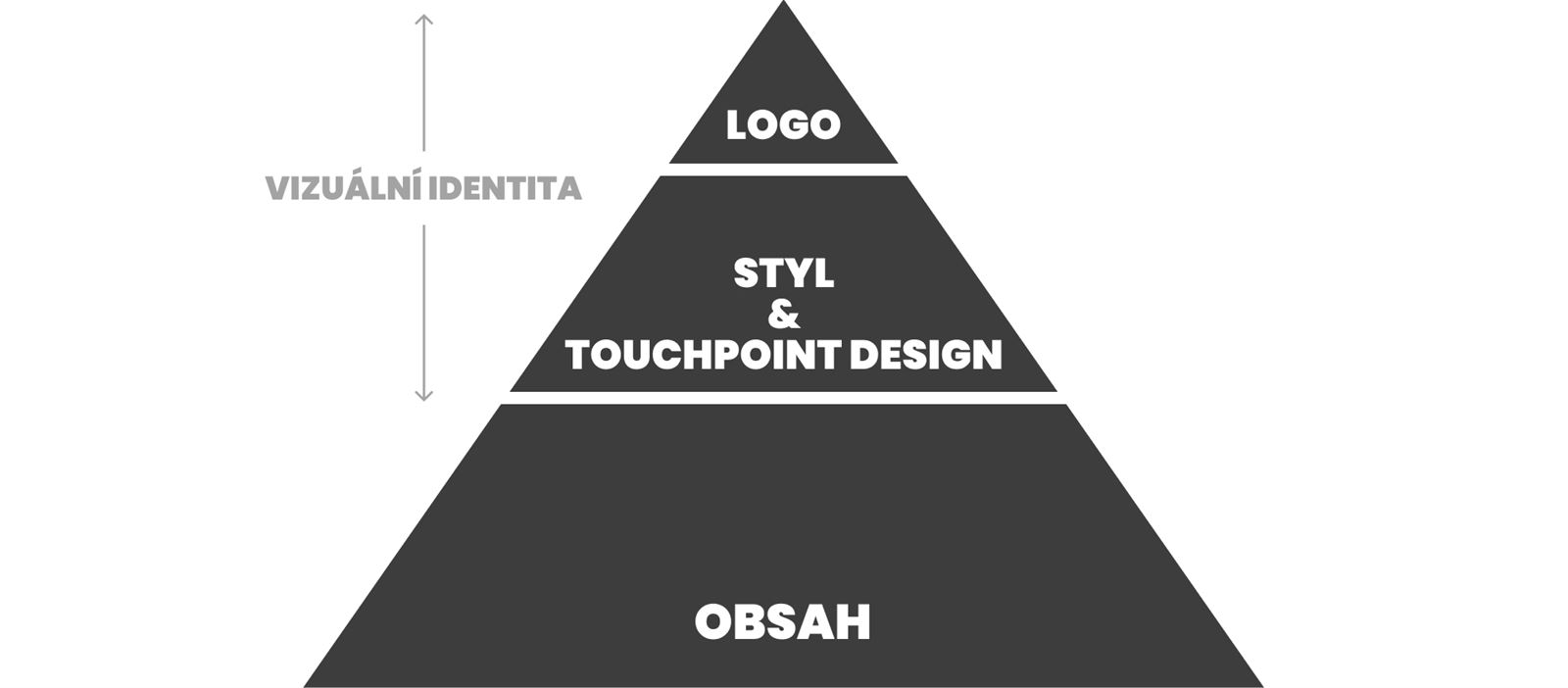
Remember that while a logo is an important part of a visual identity, it only contributes partially to the overall impression. The impression is created by the entire system. Therefore, do not forget about other parts of visual communication and do not waste money on extensive logo manuals. Go develop practical things as soon as possible. Why? You will discover much faster the areas where your business communication truly needs change and help.

A company's visual communication stands on content, which is supported by visual identity. The logo is an important component, but only a component.

Similarly to the image above, you should distribute energy, attention, and costs. Do not let the logo consume most of the energy and resources (which can easily happen), leaving nothing for implementing the style into your materials and creating content. For new companies, this applies 100%; in redesigns, it often turns out that the design problem reflects a deeper problem in the content, which simply cannot be solved by putting on a new coat.


Tip 4: Choose the right timing

Good timing is related to the previous point. There is no point in releasing a new logo when at least the main communication channels (touchpoints) are not ready for it. It doesn't make much sense to stick a beautiful new logo onto ugly old "materials." The whole is still judged by its weakest link. And what kind of signal are you sending about yourself then? That you are dealing with insignificant nonsense.

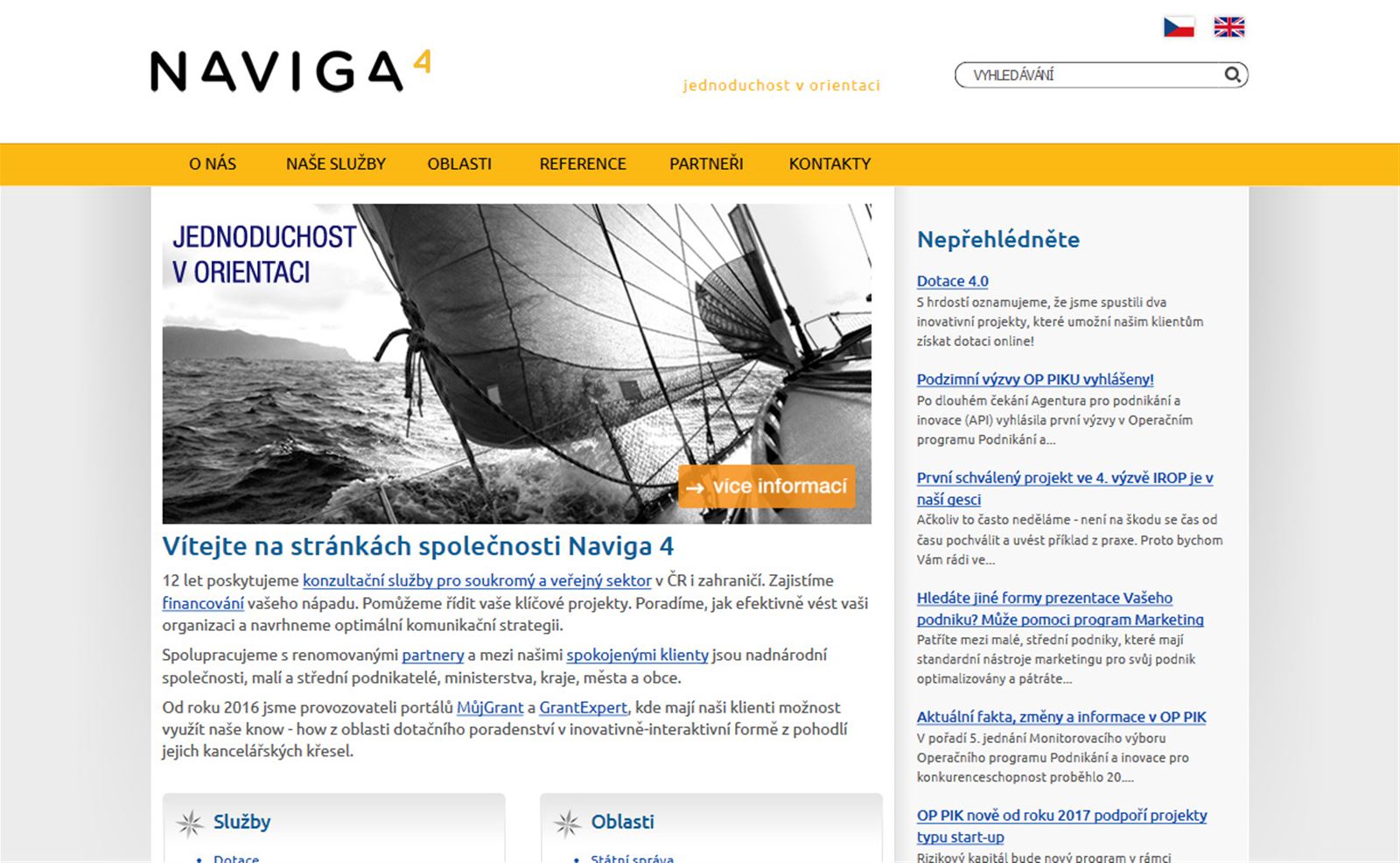
A splendid, elegant logo on a worn-out, cluttered website: In 2014, the company had a high-quality logo made, but the overall impression of the company (and the quality of the logo) was undermined by an outdated website. According to archive.org, this is what the website looked like between 2014 and 2018.

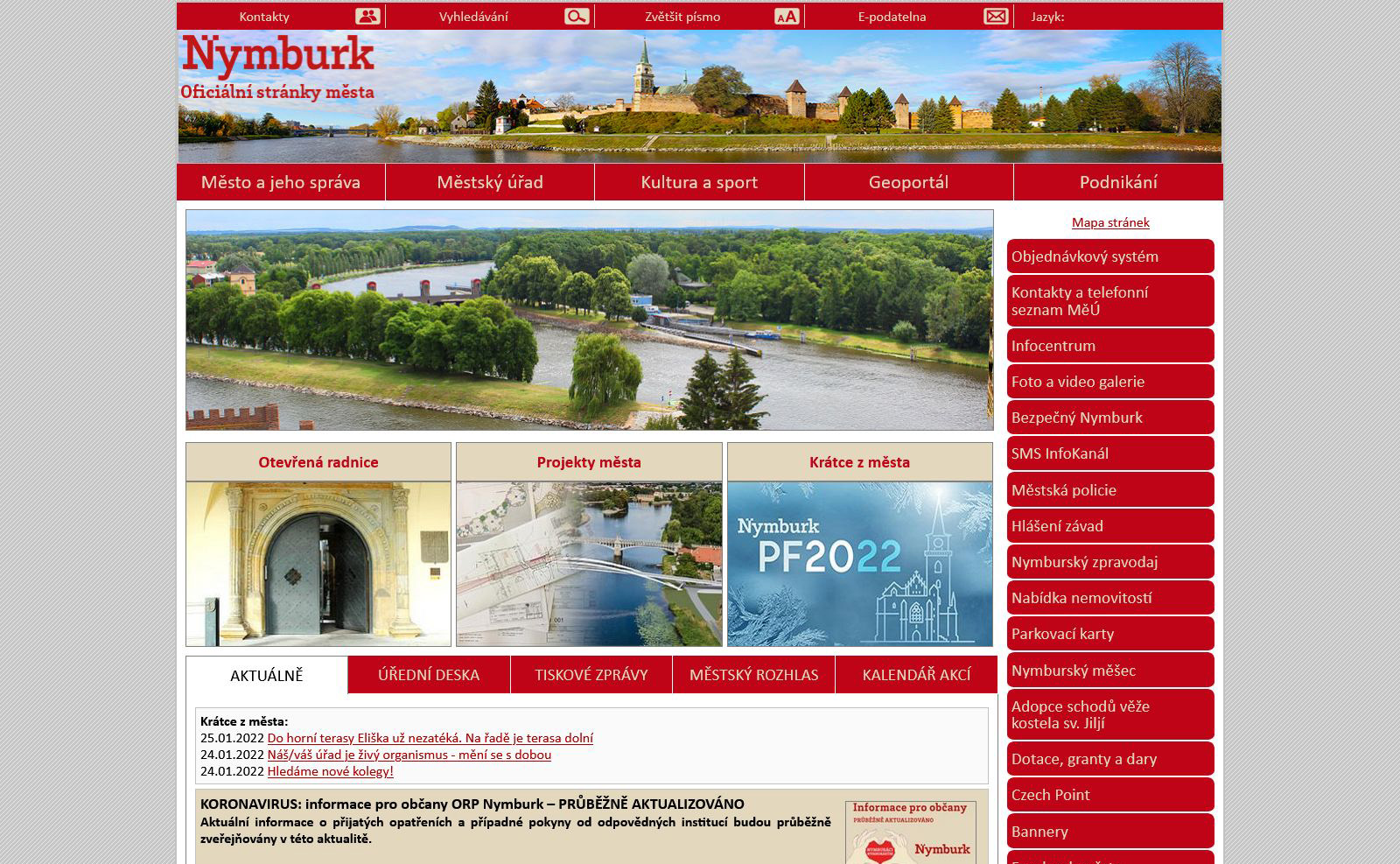
The excellently crafted logo of Nymburk degraded by an outdated and confusing website. Another prime example of poor timing during development and implementation. Running a successful tender for a logo is significantly easier than building a useful website for the city's citizens. And what would the citizens probably prefer? The logo was created in 2018, the website still haunts citizens at the time of publishing this article - March 31, 2022 || EDIT 2023 - the website has already changed. Glory. After five years!

Tip 5: Create (at least a basic) brand strategy

I suspect you're already yawning. But please, read the following paragraphs anyway. The logo and identity are visual representatives of your brand (brand definition here). Everyone working on it needs to know who you are and where you are headed. Get clear on this, and you will avoid trouble. Shall we continue?

It is essential that your partners who will create the logo and style understand your company, strengths, values, vision, and where the company is heading and why it performs these activities. They need to understand the environment, your industry, the competition. Where to fit in and what to differentiate against. They must also understand your customers and their motivations. How do you want customers to perceive you?

Books like Marty Neumeier's ZAG (part 17 ZAG brand checkpoints) or THE BRAND FLIP (the chapter on the brand commitment matrix) will help orient you. Both books are VERY thin. Or write to me and I will send you a tool that will guide you through the strategy.

As part of the strategy, a section describing your requirements for the logo should be created, where even such "down-to-earth" matters as the exact brand name, requirements for variability, extensibility, color preferences, fonts, and solutions should be recorded. Conduct (or have conducted) research and mark which way to go, which way not to go, and why. Do not worry about limiting creativity. On the contrary, the creator will not waste energy in dead ends.
 

Tip 6: Judge the logo in a relevant context

Suppliers know how to present a logo so that it looks gorgeous. Great mockups, luxury promotional items, business cards, creative situations… Is such a context relevant to you? Probably not. Instead, demand that the logo be presented on the presentation materials you use or will use most frequently. In the case of a rebranding, ideally have the supplier restyle an existing material. And only then judge the new logo.


Tip 7: Look from the right distance

Customers will never give your logo as much attention as you do. They will never analyze details or intentions, and they won't look for meanings in your logo that you want them to see. They will simply perceive it as a symbol in the context of the whole. Do the same when judging it.


Tip 8: Do not design, provide feedback

Resist micromanagement and projecting yourself into the logo design. It is tempting. After all, we all have some visual sense. If you have chosen an experienced supplier, do not tell them what to do or what to change. You can cause damage that way. Instead, try to state exactly what you dislike, where it evokes a different feeling than you wanted, how the result affects you, and how you would like it to affect you. Experienced suppliers know how to work with this.


Tip 9: Test. Omit the question "how do you like the logo?"

Of course, you have to like your logo. But it is more important what associations it evokes in the people you want to influence. Test it. If you submit the logo for evaluation, show it in context (see the paragraph above), not on its own. And instead of "How do you like it?", ask questions like: What kind of a company (innovative, traditional, friendly, efficient, etc… see your strategy) do you imagine behind this presentation? Finally, you can ask how much sympathy the individual versions evoke. With around ten respondents, you can already see a clear trend.


Tip 10: Involve your company's employees correctly

The identity needs to be well-received inside the company as well. There might be sentiment for the old logo. Invite the people whose opinions matter to you into the process right from the start, and align expectations. It is necessary for them to also look at things through the eyes of your customer, look from the right distance, and not design. Remember that a good idea is more likely to scare people, that an imaginative piece arouses emotions of all polarities, that seeking unanimous approval leads to shallowness, and that as the brand owner, you bear the responsibility anyway.


Conclusion: How (not) to start

I put this warning at the end, but it should actually be at the beginning. Are you launching a new product? Starting a new service? A new company? Do not start marketing with what your logo should look like. Start by being able to convincingly explain why your customers should care about you, what you are or will be good at, what problems you will help customers solve. I highlight the word "convincingly" once more. If you don't know this, looking cool, dynamic, and modern won't help. At the beginning, devote time, energy, and resources to the core of your business, and only then to its appearance (packaging). Usually, this leads to better results.

Insights

Follow our social media